10 Essential Uses of Aggregates
In Construction and Landscaping across the sea-to-Sky
Aggregates are one of the most important materials used across construction and landscaping projects in the Sea to Sky corridor. Residential driveways in Whistler to large-scale site preparation in Squamish and rural properties in Pemberton. Aggregates support the strength, drainage, and long-term performance of almost every project.
Most people see gravel as just “rock,” but different aggregate materials all serve very different purposes. Choosing the right material has a major impact on how well a completed project withstands the test of time.
What Are Aggregates?
Aggregates are loose materials commonly used in construction, excavation, landscaping, and road building. They include products such as:
Gravel
Sand
Crushed stone
Clear crush
Drain rock
Road base
These materials create stable foundations, improve drainage, support structures, and help manage water movement across a site.
In the Sea to Sky region, aggregates are especially important because local projects often deal with steep terrain, changing weather, heavy rainfall, freeze-thaw cycles, and varying soil conditions.
10 Essential Uses of Aggregates
1. Driveway Base Preparation
One of the most common uses for aggregates is creating a stable driveway base. Materials like road base compact tightly to support vehicle weight while reducing shifting, sinking, and rutting over time.
In mountain climates like Whistler, proper base preparation becomes even more important due to moisture and seasonal ground movement.
Without the correct aggregate underneath, even a new driveway can quickly develop soft spots and drainage problems.
2. Drainage Systems
Drainage rock and clear crush are widely used to help move water away from structures and landscaping areas.
This is especially important throughout the Sea to Sky, where precipitation levels remain high for much of the year. Proper drainage aggregates help reduce:
Standing water
Foundation pressure
Soil erosion
Ice build-up in winter
Water damage around structures
Good drainage planning protects both landscaping and long-term structural stability.
3. Concrete Production
Aggregates are one of the primary ingredients used in concrete production. Sand and crushed stone create the bulk and strength needed for structural applications.
Concrete aggregates are used in:
Foundations
Sidewalks
Patios
Retaining walls
Structural construction
Different aggregate sizes affect the strength, finish, and durability of the final concrete product.
4. Landscaping Features
Aggregates are commonly used throughout landscaping projects to create both function and visual appeal.
Gravel, decorative rock, and crushed stone can be used for:
Garden pathways
Fire pit areas
Decorative borders
Xeriscaping
Outdoor living spaces
Ground cover around plants and trees
Many Sea to Sky homeowners use aggregates in their front and backyards to create a clean, natural appearance while remaining low-maintenance year-round.
5. Retaining Walls
Retaining walls rely heavily on proper aggregate installation behind and beneath the wall structure.
Drain rock helps relieve water pressure while base aggregates provide stability underneath the wall itself.
Without proper drainage aggregate, retaining walls are more likely to shift, lean, or fail over time due to trapped moisture and soil pressure.
6. Road Construction
Aggregates form the structural base beneath roads, access routes, and construction entrances.
Road base materials are engineered to compact tightly and distribute weight evenly, helping roads remain durable through changing weather conditions and heavy traffic.
7. Building Foundations
Before foundations are poured, aggregates are often used to stabilise the ground and create a level building surface.
This layer helps improve:
Load distribution
Drainage beneath structures
Ground stability
Long-term settlement prevention
Foundation preparation is one of the most important stages of any build, and aggregate selection plays a major role in getting it right.
8. Backfill Around Utilities and Excavations
Aggregates are frequently used as backfill material around utilities, drainage systems, and excavated areas.
The right backfill aggregate helps stabilise the surrounding ground while improving drainage and reducing future settling.
This is commonly used around:
Septic systems
Utility trenches
Foundation walls
Drainage installations
Excavated construction zones
9. Pathways and Walking Areas
Gravel pathways remain popular throughout the Sea to Sky because they provide a durable, natural-looking, and relatively low-maintenance surface.
Pathway aggregates can improve traction while blending naturally into mountain landscapes and outdoor spaces.
Different gravel sizes and materials vary depending on the intended use, drainage requirements, and desired appearance.
10. Erosion Control
In areas with slopes, heavy rain, or unstable soil, aggregates help reduce erosion and soil movement.
This becomes especially important around sloped properties, drainage channels, retaining systems, and exposed construction areas.
Proper aggregate placement helps control water flow while protecting surrounding landscaping and structures from washouts and instability.
Why Aggregates Matter More in the Sea to Sky
Projects throughout the Sea to Sky region face conditions that many other areas simply don’t deal with regularly.
This includes:
Heavy rainfall
Mountain drainage patterns
Freeze-thaw cycles
Mixed soil conditions
Steep access roads
Tight residential builds
Without the right aggregate material in place, projects become far more vulnerable to drainage issues, shifting ground, erosion, and long-term structural problems.
That’s why proper planning matters just as much as the material itself.
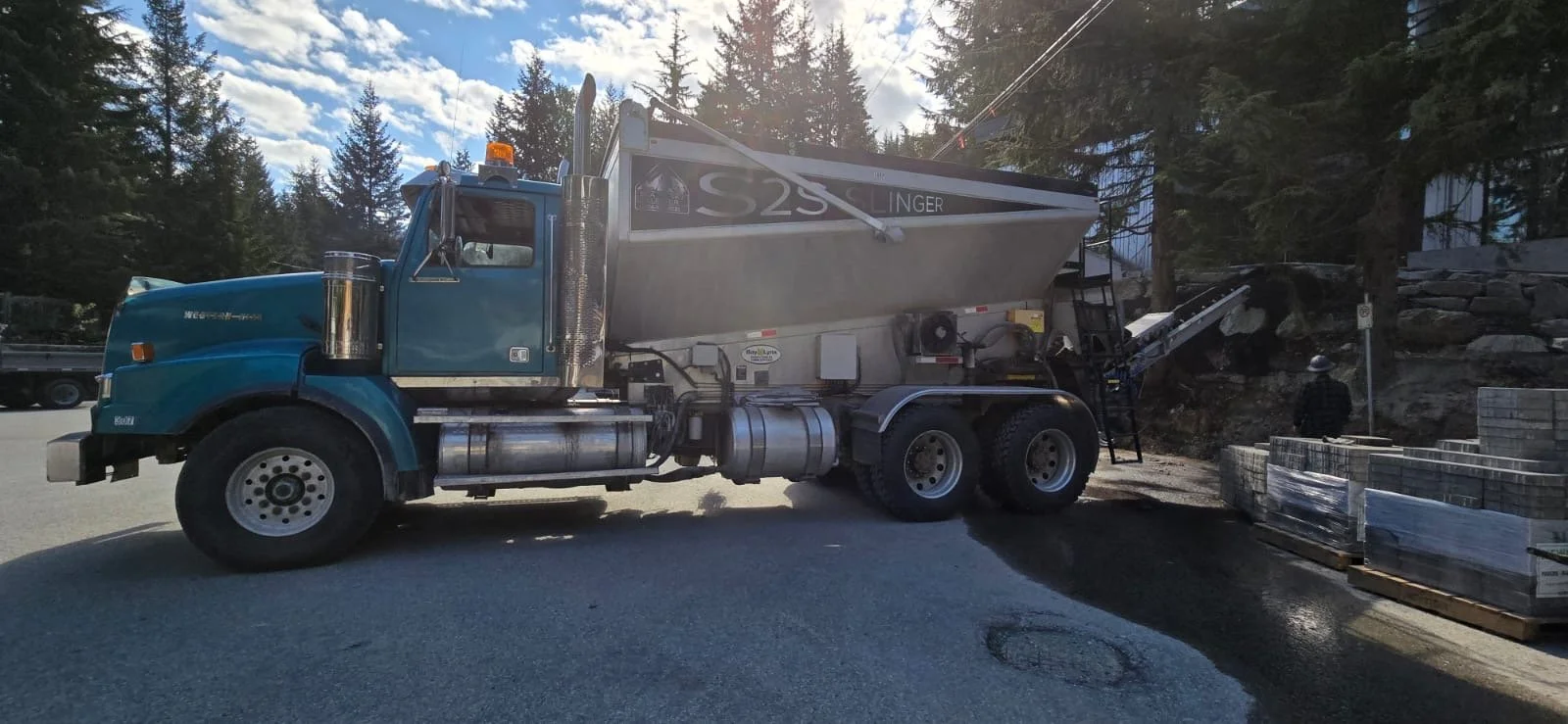
Using a slinger truck and telebelt helps place aggregates more accurately across the site, especially in difficult access areas around Whistler and the wider Sea to Sky corridor.
This helps reduce unnecessary handling while improving efficiency.
Final Thoughts
Hopefully, this blog gave you a better understanding of what aggregates actually do and why they matter so much across construction and landscaping projects in the Sea to Sky.
Most people don’t think twice about gravel, drain rock, or road base. Until they’re halfway through a project wondering why water is pooling, the driveway is sinking, or the ground isn’t holding up the way it should.
As you can probably tell by now, we’re pretty passionate about aggregates. Not just the material itself, but making sure it gets delivered, handled, and installed in the most efficient way possible for the right result and the right price.
Because when the groundwork is done properly from the start, everything that comes after tends to go a whole lot smoother.
If you’re planning a construction or landscaping project in Whistler, Squamish, Pemberton or Darcy, and require efficient aggregate delivery.
Contact Drew today for an estimate.
Frequently Asked Questions
What types of aggregates are most commonly used in the Sea to Sky?
Some of the most common aggregates used in Whistler, Squamish, and Pemberton include road base, drain rock, gravel, crushed stone, and clear crush.
Why are aggregates important for drainage?
Aggregates like drain rock and clear crush allow water to move through the material rather than collecting around structures or landscaping. This helps reduce erosion, standing water, foundation pressure, and freeze-thaw damage in high rainfall areas.
What aggregate is best for driveways?
Road base is commonly used underneath driveways because it compacts tightly and creates a stable foundation. The top layer may vary depending on the finish, drainage needs, and how the driveway will be used.
How much aggregate do I need for my project?
The amount depends on the size of the area, the depth required, ground conditions, drainage needs, and the type of aggregate being used. If you’re unsure, reaching out early for guidance can help avoid under-ordering or costly waste.